Winter forecast: Ancient calendar predictions versus modern meteorology
An 19th-century calendar predicts a harsh and dry winter, while modern weather experts point to opposing global climate trends.
 👥Society
Photo: UNIAN
Key points
- An 1851 calendar forecasts a dry and cold winter based on planetary cycles.
- Modern meteorological models predict milder and wetter conditions due to El Niño.
- Historical weather folklore generally lacks statistical reliability.
As the winter season approaches, communities often look beyond standard weather forecasts toward traditional folk wisdom. A notable example is an old Hungarian collection known as the 'Hundred-Year Forecaster,' originally published in 1851. Based on planetary cycles, this historical guide suggests that the current year of Mercury should bring dry and freezing conditions during the upcoming months.
Ancient Lore and Scientific Reality
Although historical archives indicate that some traditional weather observations occasionally matched actual conditions, analysts point out that the vast majority of these old rules function largely by chance. Statistical checks reveal very low accuracy rates for such centuries-old predictions. Local traditions tied to specific November dates, such as St. Albert's or St. Elizabeth's days, served historical farming purposes rather than reliable long-term forecasting.
In contrast, contemporary meteorological agencies rely on global atmospheric data. Due to natural climate phenomena such as El Niño, current computer models suggest a much milder winter for many regions, accompanied by higher chances of precipitation and storms rather than severe, prolonged frosts.
Implications for the Local Community
For residents of Obukhiv and the surrounding community, shifting winter patterns directly impact daily life, municipal services, and local infrastructure. Road maintenance crews, heating utilities, and local gardeners closely monitor seasonal forecasts to prepare for potential temperature drops or heavy precipitation.
Experts advise relying on verified scientific data rather than historical almanacs when planning for the cold season. Staying informed about realistic weather trends helps local households and community structures adapt smoothly to any upcoming meteorological challenges.
Source UNIAN — unian.ua/pogoda/news/zima-2026-2027-chi-bude-vona-holodnoyu-i-suhoy… ↗
Read next
 💼Economy
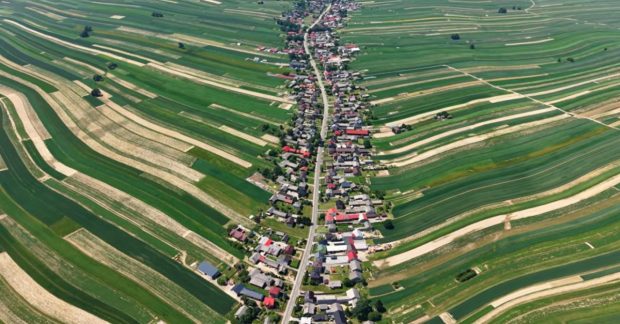
Unique 9-kilometer European village stuns the web with its medieval structure
The Polish village of Suloszowa features a unique layout where all residential houses stretch along a single nine-kilometer road.
 🧠AI Analysis
Russian vessel Sparta II still burning in Gulf of Finland after drone attack: details
Firefighting operations continue in Finnish territorial waters aboard the Russian cargo ship Sparta II, which was targeted by Ukrainian drones. The vessel drifted into Fi…
 🧠AI Analysis
Aftermath of Night Attack on Kyiv Region: Dymyr Rescuers Search for Missing People After Apartment Strike
A residential building in Dymyr, Kyiv region, was damaged following a nighttime drone attack, with rescue operations underway. Several residents remain unaccounted for an…
 🚨Events
Singer Miley Cyrus secretly marries musician Max Morando in California
American artist Miley Cyrus has officially tied the knot with musician Max Morando during an intimate ceremony in Palm Springs.
 🧠AI Analysis
The Philosophy of Restoration: Why the Next Stage of Development Begins with Repair
Modern challenges urge a reassessment of recovery approaches, where daily maintenance and fixing the damaged become the foundation for survival.
 🚨Events
Elina Svitolina and Marta Kostyuk Shortlisted for WTA Year-End Awards
Ukrainian tennis stars Elina Svitolina and Marta Kostyuk have been nominated for prestigious Women's Tennis Association awards following a standout 2026 season.