From Bronze Workshops to Giant Hillforts: The Archaeological Heritage of the Obukhiv Region
Historical sites in the Obukhiv region, including areas near Derevyana, Khodosivka, and Pidhirtsi, reveal advanced ancient craftsmanship and deep historical roots.
 👥Society
Photo: obukhiv.info
Key points
- Archaeological sites in the Obukhiv region span from the Bronze Age to the early Iron Age.
- A bronze-casting workshop with wide trade connections operated near Derevyana.
- The hillfort near Khodosivka impresses with an area of about 2,000 hectares.
- Pidhirtsi gave its name to a prominent archaeological culture of the forest-steppe Dnieper region.
Traces of ancient metallurgists and fortresses
The territory of the Obukhiv district holds numerous evidences of a grand historical past, studied by prominent Ukrainian scientists. In particular, the popular science book 'Where Kyiv Grew' by Dmytro Telehin, published in 1982, details unique archaeological findings around Derevyana, Khodosivka, and Pidhirtsi. Each of these locations uncovers new chapters on how the economy, technology, and culture of the population of the Kyiv Dnieper region evolved over millennia.
Researchers pay special attention to the village of Derevyana, where traces of bronze-casting production were once discovered. Archaeologists found eight matrix molds used to manufacture tools and weapons, ranging from socketed axes and sickles to spearheads and chisels. Since the region lacked its own metal deposits, the presence of such a workshop indicates a developed system of trade and cultural exchange with distant territories, as raw materials had to be brought from afar.
Giant fortifications and distinctive cultures
An even larger monument is the hillfort near Khodosivka, covering an area of about two thousand hectares. This territory was surrounded by a massive earthen rampart, which in some places preserved a height of up to five meters. According to researchers, such huge early Iron Age fortifications served as a safe haven for inhabitants of surrounding settlements along with their livestock during times of danger. Meanwhile, the village of Pidhirtsi gave its name to the entire Pidhirtsi-Mylohrad culture, whose bearers lived during Scythian times yet maintained unique traditions in ceramics and decorations.
Although Telehin's work was published more than four decades ago, the facts presented in it emphasize the significant role of the Obukhiv region in ancient history. The lands of the modern district were not a remote periphery, but a hub of crafts, defensive strategies, and distinctive cultural traditions.
Source obukhiv.info — obukhiv.info/news/vid-bronzolivarnoi-maisterni-do-veletenskogo-gorodish… ↗
Read next
 🚨Events
Unknown assailants commit murder in Kharkiv: police operation underway
On the evening of November 22, a man was shot dead in Kharkiv. Police have launched a special operation to locate the suspects.
 🏙️City
Preparing for winter: how to protect your home from rodents
As temperatures drop, Obukhiv residents should focus on sealing their homes to prevent rodents from seeking warmth and food inside.
 🏙️City
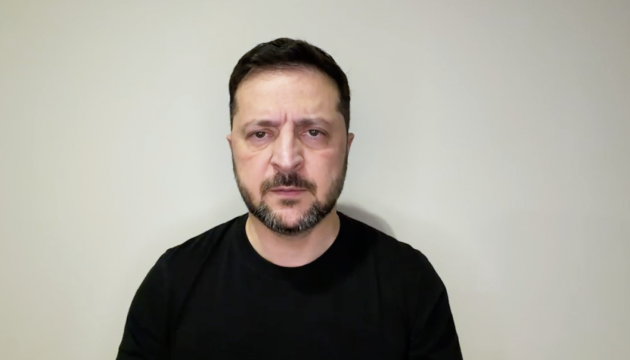
Death toll rises in Dymer following Russian attack in Kyiv region
President Volodymyr Zelensky reported an increase in casualties following a drone strike on a residential building in Dymer.
 🚌Transport
Power outage schedules for November 23: what to expect
On November 23, Ukraine faces power supply restrictions following recent attacks on energy infrastructure. Consumers may experience outages ranging from one to 3.5 groups…
 🚨Events
Enemy Attack on Kyiv Region Results in Casualties and Extensive Damage
A Russian drone attack on the Kyiv region has left four people dead and six others injured, including children. Law enforcement and emergency services are responding to t…
 🎭Culture & Sport
Artificial Intelligence debate on 'The Voice Ukraine': Coaches clash
A performance by a contestant on 'The Voice Ukraine' using an AI-generated song sparked a heated argument between coaches Artem Pivovarov and Natalia Mohylevska.