History and Traditions of New Year: Why We Celebrate on January 1st
We explore the origins of the January 1st date and learn how calendar reforms shaped our modern holiday schedule.
 🎭Culture & Sport
Photo: TSN
Key points
- January 1st established as the start of the year by Julius Caesar
- Gregorian reform unified the calendar
- Diverse global traditions: from grapes to bell ringing
The New Year, which we traditionally celebrate on the night of January 1st, has a centuries-old history of calendar shifts. Although this date is now generally accepted due to the Gregorian calendar, humanity did not always begin the year in winter. Ancient civilizations, such as the Babylonians or Egyptians, linked the start of a new cycle to natural phenomena, such as the spring equinox or the flooding of the Nile.
From Roman Reforms to Modernity
The modern date originates from the calendar reform of Julius Caesar, who officially established January 1st as the start of the year in 46 BC. The month's name comes from the god Janus, who symbolized transitions and new beginnings. However, in the Middle Ages, European countries had different traditions, celebrating the start of the year at Christmas or the Annunciation, until the Gregorian reform of 1582 unified the chronology.
Cultural Diversity of New Year Customs
Today, the world celebrates the holiday with unique local characteristics:
- Spaniards eat 12 grapes as the clock strikes midnight for success in each month.
- In Italy, lentils are served on the table, symbolizing financial prosperity.
- Japanese temples perform a ritual of 108 bell rings for spiritual purification.
- The Scots follow the tradition of the 'first-foot,' the first guest who is expected to bring good luck to the house.
Source TSN — tsn.ua/tsikavinki/koly-sviatkuiut-novyy-rik-chomu-data-prypadaye-na-1-s… ↗
Read next
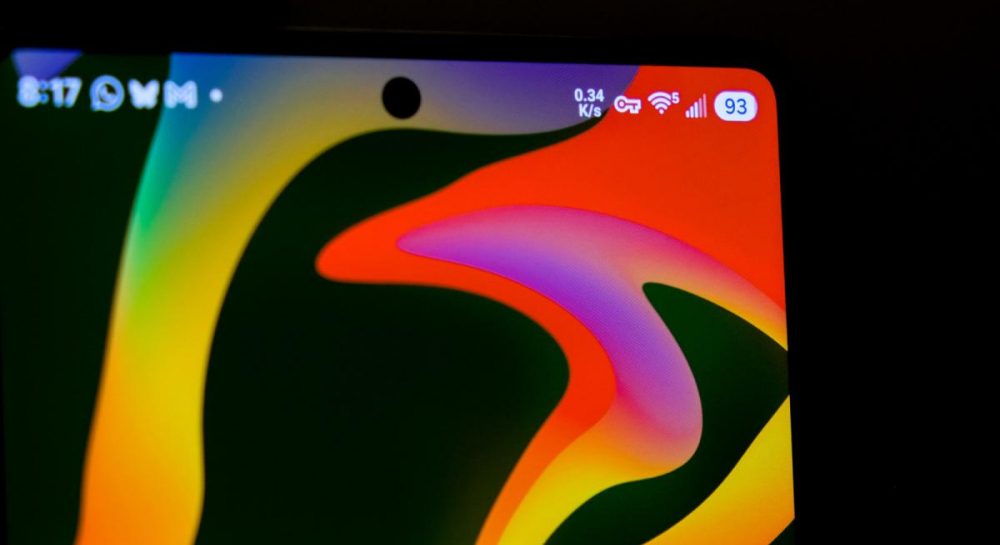 💡Tech
What the key icon on your Android screen means
The appearance of a key icon in the Android status bar often confuses users. We explain what this symbol means and how it relates to your privacy.
 🩺Health
Scientists Identify Critical Age Periods When Human Immunity Ages Fastest
A new scientific study has revealed that the human immune system does not age gradually, but rather in sharp leaps occurring around age 40 and after 60.
 🧠AI Analysis
Artificial Intelligence on the Frontline: How Ukrainian Ground Robots Are Moving Toward Autonomy
Ukraine's defense industry is actively integrating artificial intelligence into ground robotic systems to reduce operator dependency.
 🧠AI Analysis
New Geography of Maritime Threats: Incidents Involving Russian Vessels in Libya and the Baltic
An explosion on a Russian ship in the Libyan port of Benghazi and a fire aboard the cargo vessel Sparta II in the Gulf of Finland highlight the growing vulnerability of R…
 🧠AI Analysis
Destruction of Russian Corvette «Merkuriy» Near Libya: Details and Significance
A successful operation by Ukrainian defense forces near the Libyan coast has resulted in the sinking of the Russian corvette «Merkuriy», estimated at $350 million.
 🛡️Security
NATO Parliamentary Assembly: Russian October strikes killed over 500 civilians in Ukraine
During a speech at the NATO Parliamentary Assembly session, data on the consequences of massive Russian attacks in October was revealed. The death toll reached 534 civili…