Wildlife Winter Diet: How Chernobyl Reserve Animals Adapt to the Cold
The Chernobyl Radiation and Ecological Biosphere Reserve shared observations on wildlife behavior in late autumn as shorter days and colder temperatures alter animal diets.
 👥Society
Photo: obukhiv.info
Key points
- Animal diet changes due to colder weather
- Elk switching to coarse plant food
- Use of camera traps for wildlife monitoring
Seasonal shifts in the wild bring a significant transformation to the daily routines of forest inhabitants. According to specialists at the Chernobyl Radiation and Ecological Biosphere Reserve, the onset of late autumn, marked by shorter days and longer cold nights, forces animals to adapt their survival strategies and alter their food sources.
Dietary Shifts of Herbivores and Predators
Researchers note that the diet of large herbivores becomes considerably less diverse compared to the warmer months. Elk, for instance, are now forced to rely on withered grass, branches with leftover foliage, and young pine shoots. Coarse plant matter becomes essential for their survival during this period.
Meanwhile, predators employ different hunting strategies. Foxes continue to target small rodents, which remain a staple of their diet, while wolves travel extensively through the forest in search of larger prey among hoofed mammals. Specialists warn that the arrival of the first snow may further complicate foraging and movement for both predators and prey.
Observing Wildlife Without Human Interference
Modern technology, particularly camera traps, plays a crucial role in monitoring animal behavior. These devices allow zoologists to document the activity of reserve inhabitants in their natural habitat without causing any disturbance to the local ecosystem of Polissya.
Source obukhiv.info — obukhiv.info/news/u-chornobilskomu-zapovidniku-pokazali-chim-kharchuiut… ↗
Read next
 🎓Education
Quality of EU Reform Preparation: Why Expert Frameworks Do Not Always Translate into Working Tools
The new European Commission report on Ukraine highlights systemic issues in reform implementation, where adopted laws often lack realistic enforcement mechanisms.
 🎓Education
Autumn Planting: How to Properly Prepare Winter Onions and Garlic for Cold Weather
Ukrainian agronomists share expert recommendations on protecting winter crops from frost using proper mulching techniques.
 🚌Transport
Nuclear Threat from Orbit: Western Intelligence Warns of Russia's 'Sputnik-S' Satellite
Western intelligence agencies report that Russia may deploy a nuclear-armed satellite, posing a severe risk to global communication and navigation systems.
 🚌Transport
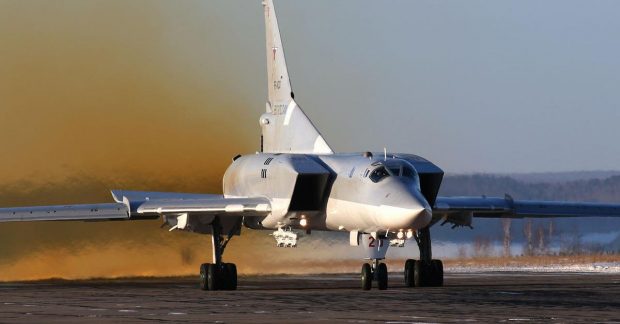
Technological Dead End: Why Russia is Losing Its Strategic Aviation Potential
Russia's military-industrial complex is facing a deep crisis in the production and maintenance of strategic aircraft due to the loss of Soviet technologies and component …
 🧠AI Analysis
Hryvnia Strengthens at the Start of the Week: Current Exchange Rates in Obukhiv and Ukraine
On Monday, November 23, the Ukrainian currency showed a strengthening trend, leading to a decrease in the value of the dollar and euro in banks and exchange offices.
 🛡️Security
Consequences of the enemy strike on Dymer: death toll rises to nine
Rescuers continue to clear rubble in Dymer, Kyiv region, where nine people have died following a Russian attack.