Global Cooperation of Autocratic Regimes: An Analysis by The Economist
The Economist highlights the growing coordination between Russia, China, Iran, and North Korea, posing significant new challenges to Western security.
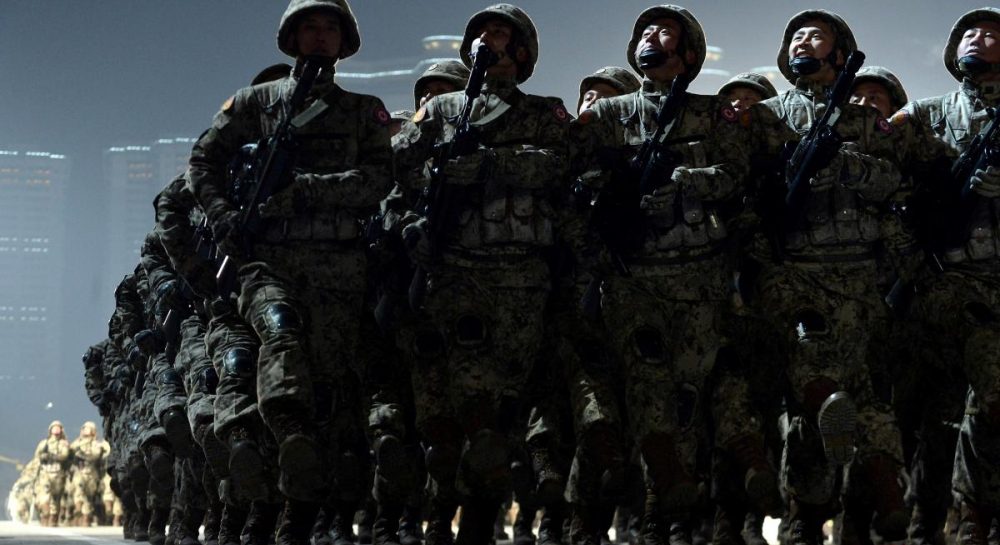 🇺🇦Ukraine
Photo: UNIAN
Key points
- Formation of an informal alliance between Russia, China, Iran, and North Korea
- Over 600 recorded instances of security cooperation over six years
- Lack of a unified command despite high levels of coordination
A New Geopolitical Reality
Analysts at The Economist have observed the emergence of increasingly tight cooperation between four authoritarian states: Russia, China, Iran, and North Korea. This collaboration involves the exchange of military technology, intelligence, and expertise, as well as joint efforts to circumvent Western sanctions. While there is no formal military alliance comparable to NATO, the scale of this coordination is significantly altering the global balance of power.
Facts and Challenges for the West
According to data from the American think tank FDD, more than 600 instances of security cooperation were recorded between these nations from 2019 to 2025. The intensity of this interaction has increased significantly since the start of Russia's full-scale invasion of Ukraine. Although the interests of these states do not always align—such as regarding stability in the Middle East or energy pricing—their mutual support makes each of them more resilient to external pressure.
Meanwhile, changes in domestic security policy are unfolding in the United States. Specifically, Secretary of Defense Pete Hegseth has initiated restrictions on informal military contacts, though the scope and long-term consequences of such directives remain a subject of debate among American officials.
Source UNIAN — unian.ua/world/rosiya-knr-iran-ta-pivnichna-koreya-stvorili-neforma… ↗
Read next
 💡Tech
What the key icon on your Android screen means
The appearance of a key icon in the Android status bar often confuses users. We explain what this symbol means and how it relates to your privacy.
 🩺Health
Scientists Identify Critical Age Periods When Human Immunity Ages Fastest
A new scientific study has revealed that the human immune system does not age gradually, but rather in sharp leaps occurring around age 40 and after 60.
 🧠AI Analysis
Artificial Intelligence on the Frontline: How Ukrainian Ground Robots Are Moving Toward Autonomy
Ukraine's defense industry is actively integrating artificial intelligence into ground robotic systems to reduce operator dependency.
 🧠AI Analysis
New Geography of Maritime Threats: Incidents Involving Russian Vessels in Libya and the Baltic
An explosion on a Russian ship in the Libyan port of Benghazi and a fire aboard the cargo vessel Sparta II in the Gulf of Finland highlight the growing vulnerability of R…
 🧠AI Analysis
Destruction of Russian Corvette «Merkuriy» Near Libya: Details and Significance
A successful operation by Ukrainian defense forces near the Libyan coast has resulted in the sinking of the Russian corvette «Merkuriy», estimated at $350 million.
 🛡️Security
NATO Parliamentary Assembly: Russian October strikes killed over 500 civilians in Ukraine
During a speech at the NATO Parliamentary Assembly session, data on the consequences of massive Russian attacks in October was revealed. The death toll reached 534 civili…